 Chris BerryFounder, Wine Underdogs — chasing the world’s overlooked grapes
Parraleta, Moristel, and Alcañón are the three indigenous grapes of Somontano, a small wine region in the Pyrenean foothills of Aragón, northern Spain. Once the backbone of the area, they were nearly replaced by international varieties and now account for only a few percent of plantings — making them some of Spain's rarest, most rewarding finds: high-acid, savory, and unmistakably local.
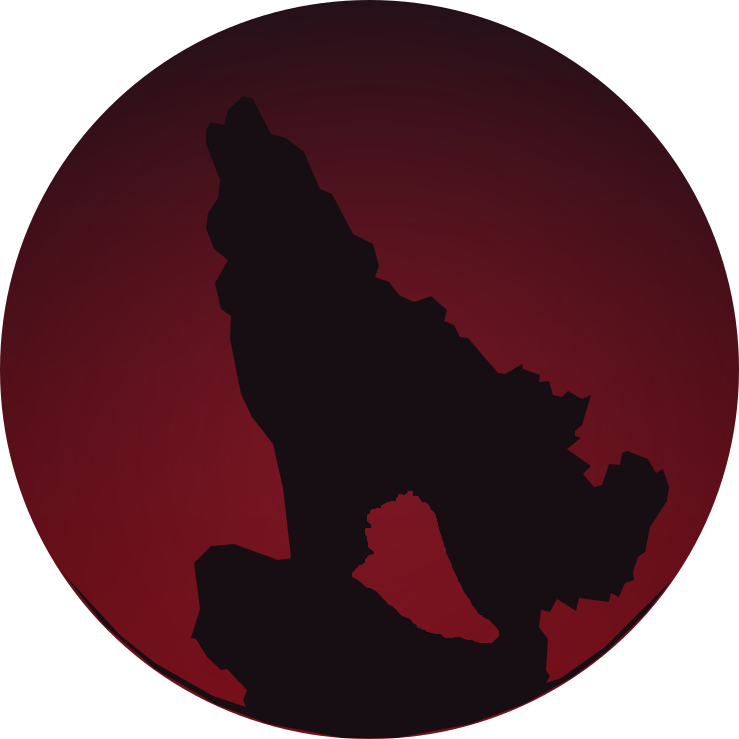
Somontano means "under the mountain," and that's exactly where it sits — a cool, high pocket beneath the Pyrenees in the province of Huesca. It's one of Spain's quiet quality regions, and in the late 20th century it made a fateful bet: it planted Cabernet, Merlot, Chardonnay, and Syrah, and won international praise for them. The cost was its own heritage. The native grapes that had survived drought and poor soils for centuries were ripped out in favor of varieties buyers already recognized. Three of them clung on.
Parraleta — the one that almost disappeared
Parraleta is the headline survivor. In 1975 it was roughly a fifth of the region's plantings; by the early 2000s it had collapsed to a fraction of a percent. A deep-colored red with small berries, it gives wines of real elegance — dark cherry and wild berry, firm structure, and the vibrant acidity that comes with altitude. It's the kind of grape that makes you angry it was nearly lost: distinctive, age-worthy, and impossible to confuse with the international reds that replaced it.
Moristel — the workhorse with a short fuse
Moristel is the tougher, more everyday native: resistant to disease and harsh weather, late to ripen, and traditionally the base of light, fresh Somontano reds. It has a famous quirk — it oxidizes fast, so it rewards early drinking and careful winemaking, which is part of why it fell out of favor when growers wanted something more forgiving. Caught young and fresh, it's juicy, red-fruited, and gluggable in the best sense: a wine of place, not pretension.
Alcañón — one of Spain's rarest whites
Alcañón is the white of the trio, and it's hanging by a thread — recent counts put it at only a couple dozen hectares, which makes it one of the rarest grapes in all of Spain. It makes light, fresh, aromatic whites with citrus and green-apple lift. There's almost nothing of it, which is exactly why a glass of varietal Alcañón is one of those quietly thrilling experiences for anyone who loves grapes on the edge of extinction.
Why they matter
These three are a parable for the whole Wine Underdogs thesis. They didn't disappear because they made bad wine — they disappeared because they weren't famous, and fame, not quality, decides what gets planted. The growers and a few stubborn producers keeping them alive are doing the most important work in wine: protecting diversity against the monoculture of the recognizable. Drinking them is a small vote for that.
A note on finding them
Be realistic — Parraleta, Moristel, and especially Alcañón barely travel. You're far more likely to meet them at a Somontano cellar door or on an Aragonese wine list than on a shelf abroad. That's the underdog tax, and it's worth paying: these are wines you have to go a little out of your way for, which is most of their charm.
Common questions about Somontano's native grapes
What are the indigenous grapes of Somontano? Three: Parraleta (red), Moristel (red), and Alcañón (white) — the region's heritage varieties, now a small minority of plantings after decades of international-grape expansion.
What does Parraleta taste like? Deep-colored and structured, with dark cherry and wild berry fruit, elegance, and the bright acidity of high-altitude vineyards.
Why are these grapes so rare? They were largely replaced through the late 20th century by Cabernet, Merlot, Chardonnay, and Syrah, which were easier to sell — leaving the natives at just a few percent of the region's vineyards.
Where is Somontano? In the Pyrenean foothills of Huesca province, in Aragón, northern Spain — its name means "under the mountain."
More Spanish underdogs: Mencía: Spain's fragrant comeback, and Albillo Mayor, the white that made Tempranillo. New here? Start with the Underdog Starter List.
The Underdog 101 card
Save the Alcañón card
Card 64 of 101 — how to say it, what it tastes like, where to start, and the famous wine it stands in for. Save it, or send it to the friend who keeps ordering the same three bottles.
Every number on the card is pulled from this guide — the card and the page can never disagree. For readers 21 and over.
FREE DOWNLOAD
Get the Underdog Starter List
10 lesser-known bottles under $25 worth chasing — plus the weekly underdog read. No snobbery, just good wine.