
 Chris BerryFounder, Wine Underdogs — chasing the world’s overlooked grapes
Two wines sank the Master Sommelier class of 2018: a Pinot Gris and a Châteauneuf-du-Pape. If you want to taste the scandal tonight, pour the second one's underdog cousin. Cannonau is Grenache, the grape at the heart of Châteauneuf, under its Sardinian name.
That's the wine. Here's the story, and the question it leaves behind: after 57 years, has one of the hardest exams in wine gotten easier?
What happened in St. Louis
In early September 2018, the Court of Master Sommeliers, Americas held its Master exam at the Four Seasons in St. Louis. Twenty-four candidates passed, a record. One of them won the Krug Cup, given for the top score among candidates who pass all three sections at the first attempt. It hadn't been awarded since 2012.
The tasting section is the one people make films about. Six wines, three white and three red, identified blind in 25 minutes: grape, country, appellation, vintage. You need 75 percent.
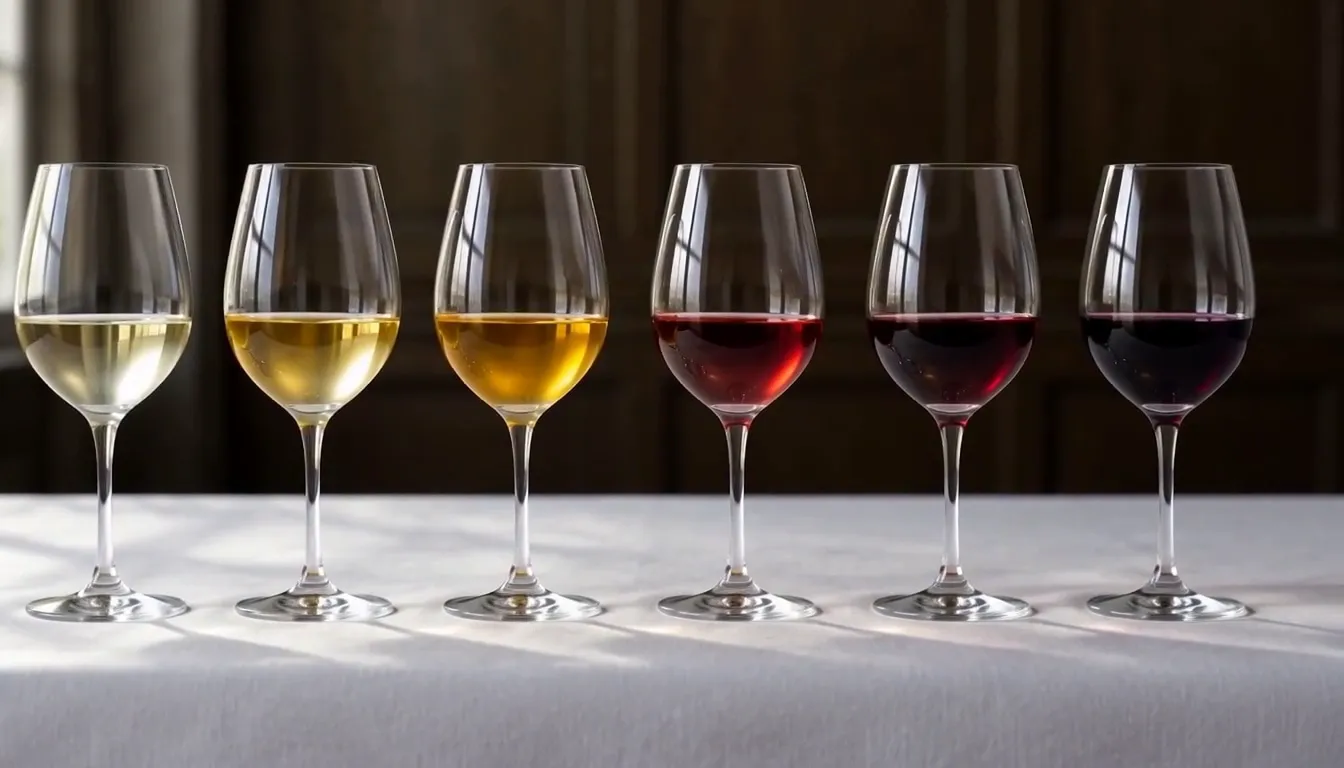
On the morning of that section, a Master Sommelier who sat on the Court's board and proctored the exam emailed some candidates. The subject line read "Heads up." The body read "PG, CndP." Pinot Gris, Châteauneuf-du-Pape. Two of the day's six wines.

A special committee later found the email went to three candidates. Two passed, one failed. The committee found no evidence that any of them asked for it, and couldn't establish whether anyone forwarded it.
It came out about five weeks later, when a lawyer for the candidate who failed brought the email to the board. In October the board voided the tasting results of 23 of the 24 new Masters. Its minutes, later reported, record a vote to expel the sender; the Court never announced it. The 24th kept his title because he had passed tasting in an earlier year.
The Court offered a free retake. Thirty candidates chose the December sitting, and on 5 December 2018 six passed. More of the voided group passed in 2019. The two recipients who passed were barred from sitting again for five years. In 2022 three members of the voided group sued the Court, arguing the investigation was cursory and never interviewed the 23.
Fair, or collective punishment?
The version of this story going round Instagram asks exactly that, and it deserves a straight answer.
The Court's case deserves a fair hearing first: a blind tasting is worthless the moment anyone might have seen the answers, and nobody could prove where that email stopped. A title that might have been helped is a title that tells a restaurant nothing.
The case for the 23: the email reached three people, not twenty-three. The group offered statements, lie-detector tests and searches of their devices, and the board declined all three. They paid for a proctor's act.
Here's where I land: it was collective punishment, and it made innocent people look guilty.
Think of a case of twelve bottles where one might be corked. The Court didn't pull that bottle. It poured all twelve down the drain, and it never tasted the other eleven to check. They were faulty because they shared a box.
That's guilty until proven innocent. The email went to three people, and 23 lost the title. The only way any of them could clear their name was to pass one of the hardest exams in wine a second time, on short notice, with the whole industry watching. A retake doesn't remove a stain. It just gives you a chance to scrub it yourself.
One claim in the viral version, that some of the 23 walked away from wine entirely, I couldn't source. It may be true. I'm not repeating it as fact.
The second scandal
Two years later the Court had a worse one. In October 2020 The New York Times reported a pattern of sexual harassment of candidates by Masters. The entire board resigned. After an independent investigation, six Masters were expelled in late 2021, and several prominent ones renounced their titles. The new board added outside investigators, ethicists and scholarships. Candidates are now sequestered and have their phones taken during Theory.
So when people say the Court's reputation never recovered, the honest version is that it lost two kinds of trust in two years: trust in the score, and trust in the room.
Fifty-seven years of the exam
- 1969. The first Master Sommelier exam is held at Vintners' Hall in London, designed for the British trade. Three pass.
- 1977. The Court of Master Sommeliers is formed as an examining body.
- 1984. The first American earns the title, and the first person ever passes all three parts at one sitting.
- 1986 to 1987. The exam comes to the United States, and the Americas chapter is founded.
- 2001 to 2013. The Americas pass rate hovers around 10 percent a year.
- 2006. The Certified Sommelier level is created, filling the gap between Introductory and Advanced.
- 2010. Three of 84 candidates pass.
- 2015. One of 70 passes in Dallas.
- 2018. A record 24 pass. Twenty-three lose the tasting result.
- 2020 to 2021. No exams during COVID, and the harassment scandal.
- 2026. Four of 30 pass. The worldwide total stands at 305.
Has it gotten easier?
No. Here are the Americas results since the exams resumed.
| Year | Sat | Passed | Rate |
|---|---|---|---|
| 2022 | 45 | 10 | 22% |
| 2023 | 34 | 2 | 6% |
| 2024 | 25 | 1 | 4% |
| 2025 | 23 | 1 | 4% |
| 2026 | 30 | 4 | 13% |
That's 18 passes in 157 attempts, about 11 percent, which is where the exam sat for most of the 2000s. The three years from 2023 to 2025 produced four Masters from 82 attempts, under 5 percent.
A word of honesty about those numbers: the Court's announcements don't always count candidates the same way from year to year, and some include people sitting only one section. Treat the rates as a range, not a decimal. The direction is still clear.
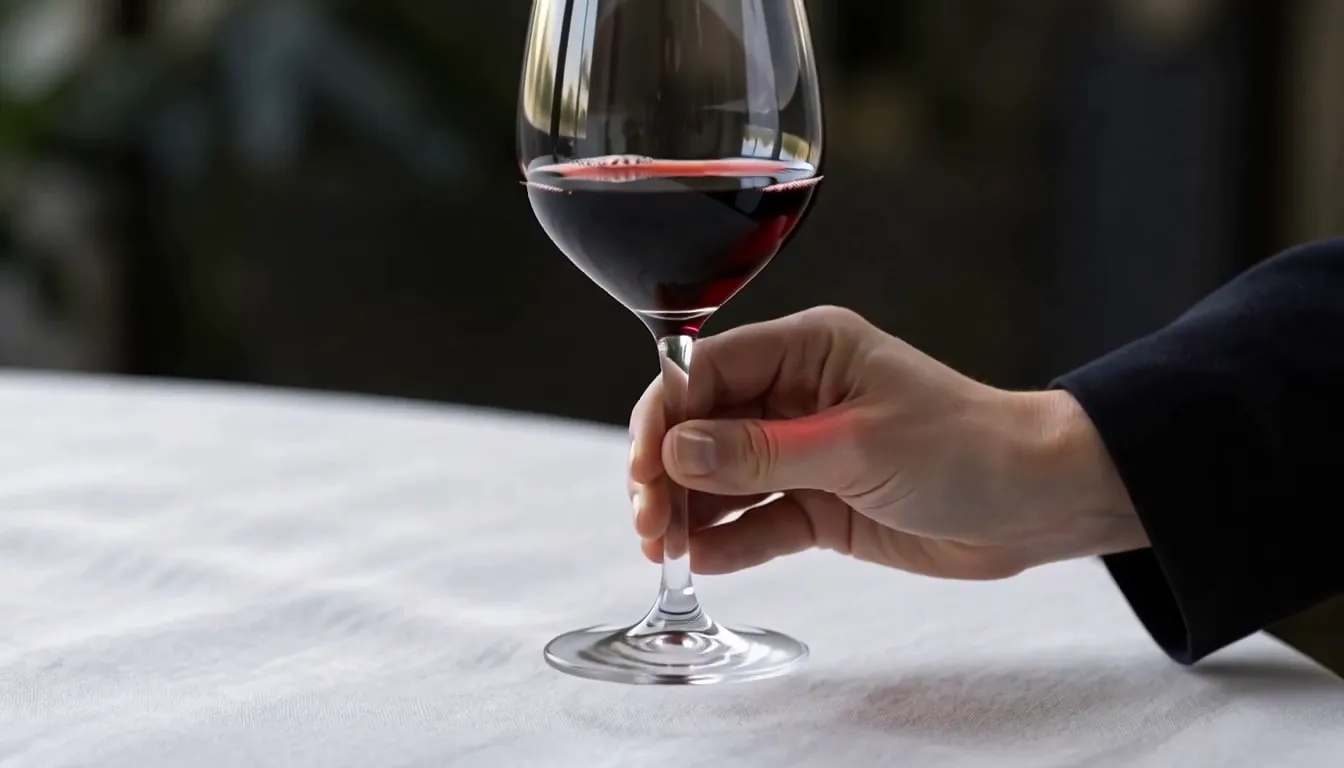
The format hasn't softened either. A candidate who sat in the 1970s described six unknown glasses, the same shape as today. The 75 percent bar is the same. The Theory section is still oral, and it must now be passed before the other two, which then have to be cleared within three years or everything starts over. The Court's current rules add a forced wait: score badly enough on an attempt and you sit out a year.
What has changed is the road. The first Americans went in cold, with no ladder beneath them and almost no mentors. Today there are four levels, study groups across the country, and a record 55 people passed the Advanced exam in 2025. The pipeline is fuller than it has ever been. The top hasn't widened. The exam isn't easier. The road to it is better lit.
What the six glasses never hold
The Court publishes a study list for its Advanced tasting exam, the level below Master. It names 24 grapes. Pinot Gris is on it. Grenache is on it. Kisi, Saperavi and Xinomavro are not. The list covers most of what is poured, and the Court says anything else will be a wine it defines as classic.
The word comes up everywhere. The Court's own tasting workshop pours 24 classic wines from around the world. Master Sommeliers who coach candidates teach which grapes count as classic for exam purposes. The Master list itself isn't published, and candidates are never told what was in their glasses, even afterward. Nobody outside the room can say an obscure wine has never been poured. But every document the Court publishes points the same way: toward the classics.
To its credit, the same Advanced list opens by acknowledging the vast range of quality wine regions, grapes and styles in the world. Then it tests 24 grapes.
That gap is the point. The exam proves you can recognize the wines a restaurant guest will order, blind, under pressure, and it should. But the most decorated palates in the trade are trained on the same short list everyone else drinks, and everything outside it goes untested. That's where Wine Underdogs lives.
So start with the one the scandal named. Cannonau gives you Grenache from Sardinia instead of the Rhône. In the twelve months to 23 October 2026, at least 21 importers cleared approved Cannonau labels into the United States, according to TTB's public label registry, and that is a floor: fewer than half of Italy's approved labels name a grape at all. You won't need anyone to email you the answer.
New to wine? Start here

Wine Match
Five guilty pleasures, yes or no. Ben finds the wine you’d actually like. You don’t need to know anything about wine. Ben certainly doesn’t.
Wine Underdogs is for readers of legal drinking age.
BenFive things. Yes or no. I'll do the rest.
Every wine fact here comes from the grape guides on Wine Underdogs. Ben has never opened a bottle, and neither does this game. For readers 21 and over.
Frequently asked questions
What happened in the 2018 Master Sommelier exam scandal?
In September 2018 a record 24 candidates passed the Master Sommelier exam in St. Louis. Weeks later the Court of Master Sommeliers, Americas found that a board member had emailed details of the blind-tasting wines to some candidates the morning of the exam. The Court voided the tasting results of 23 of the 24, and its board voted to expel the Master who sent the email, according to minutes later reported.
How many Master Sommeliers are there?
305 worldwide and 176 in the Americas, as of the Court's September 2026 announcement. The title has existed since the first exam in London in 1969.
Has the Master Sommelier exam gotten easier?
No. The core of the exam is unchanged: six wines identified blind in 25 minutes, with 75 percent needed on each of three sections. From 2022 to 2026 the Americas exam passed 18 of 157 candidates, about 11 percent, close to the roughly 10 percent it averaged from 2001 to 2013. What has gotten easier is the preparation, not the exam.
JOIN THE PACK
Whatever you drink now, there's an underdog you'd like more.
One overlooked wine at a time: what it tastes like, the famous one it can replace, and the catch. Free.