- Tasting profile
- Full tasting notes live in the deep dive.
- What the name means
- Slavic. From the Latin sclavus, but grape historians read it as Slavic — of Slavic origin, not enslavement. The German name, Vernatsch, means native: same grape, two languages.
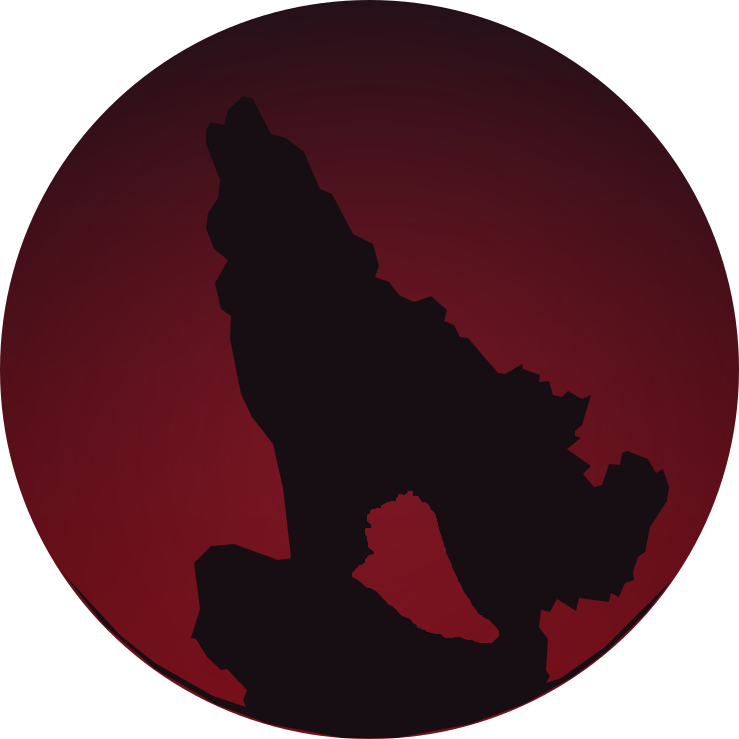
- Where it grows
Alto Adige, Italy Explore the Northern Italy field guide- The catch
- It will never be a status wine: light, cheap, unpretentious, and meant to be drunk young. If you want structure in a red, this reads as thin rather than refreshing.
- Where to buy
- For specific bottles and where to buy them, read the deep dive.
Keep exploring
The region
Alto Adige, ItalyRelated underdogs
Schiava (Vernatsch): common questions
- How do you pronounce Schiava (Vernatsch)?
- Schiava (Vernatsch) is pronounced skee-AH-vah.
- What does Schiava (Vernatsch) mean?
- Slavic. From the Latin sclavus, but grape historians read it as Slavic — of Slavic origin, not enslavement. The German name, Vernatsch, means native: same grape, two languages.
- Where does Schiava (Vernatsch) come from?
- Schiava (Vernatsch) grows in Alto Adige, Italy.
- What does Schiava (Vernatsch) taste like?
- Expect strawberry, cotton candy, violet, almond. Closest familiar reference: a featherweight Pinot Noir or chilled Beaujolais.
- What is the catch with Schiava (Vernatsch)?
- It will never be a status wine: light, cheap, unpretentious, and meant to be drunk young. If you want structure in a red, this reads as thin rather than refreshing.
FREE DOWNLOAD
Get the Underdog Starter List
10 lesser-known bottles under $25 worth chasing — plus the weekly underdog read. No snobbery, just good wine.